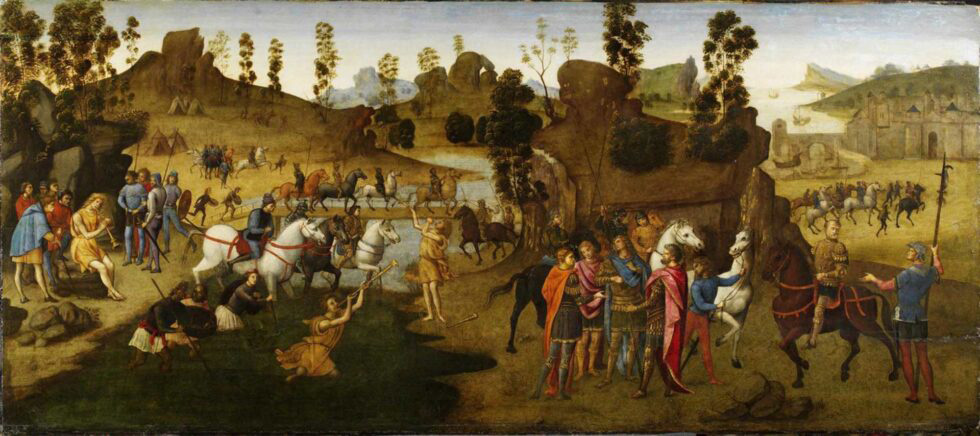
“Alea Iacta Est”—the die is cast. Caesar famously uttered these words on January 10, 49 BC, as he crossed the Rubicon River, igniting a bloody civil war. He understood that crossing the Rubicon meant there would be no turning back; he had to push forward. With great determination and willpower, he embraced the uncertainty of his situation, adapting and remaining flexible in the face of whatever challenges lay ahead.
How does one learn digitally, and what is the effect of digital learning? Simply put, digital learning involves the use of online materials, software, and resources in education. It offers greater freedom, no longer tethered to a physical classroom or strict timelines. While we’re not starting any civil wars, this quotation remains relevant to the challenges we faced during the pandemic in late 2019. The world came to a standstill and shifted online, with education following suit. The inability to gather in classrooms forced us to navigate unfamiliar resources to the best of our ability. Many were initially apprehensive and found the new digital environment challenging. However, we soon recognized the importance of these resources, especially when in-person alternatives were unavailable. The die was already cast; we had to be flexible and persevere through the uncertainty.
Despite the obstacles, we thrived. We embraced the adaptability embodied in Caesar’s quotation, channeling a determination akin to his. Learning could not—and would not—cease. We pushed forward to conquer this challenge, and we succeeded.
The viability of digital education has flourished since Covid, driven by increased demand. AI has transformed the landscape of learning. We can draw on the same open-mindedness and sheer willpower we demonstrated during the pandemic to navigate this new terrain rather than be weighed down by doubt. By embracing change, we can enhance our teaching and learning methods. Innovations like AI will shape the future of education, creating a world rich in digital resources. We must summon the flexibility and perseverance we developed during the Covid years, akin to Caesar’s resolve at the Rubicon.
The future of learning clearly lies in online resources, and we must fearlessly progress toward it. Regression is not an option; technology will continue to advance. Like Caesar, we must cross the metaphorical river of fear and apprehension into the realm of modern digital learning—a world filled with opportunity. We cannot afford to wait idly on the banks; instead, we must conquer.
Cover Photo: Julius Caesar and the crossing of the Rubicon, Francesco Granacci, 1494. Courtesy of Victoria and Albert Museum.