AI and Classics. A most bizarre combination. One from ages past and the other only in its infancy. But it is the unexpected combination of AI with Classics that will bring antiquity into the future.
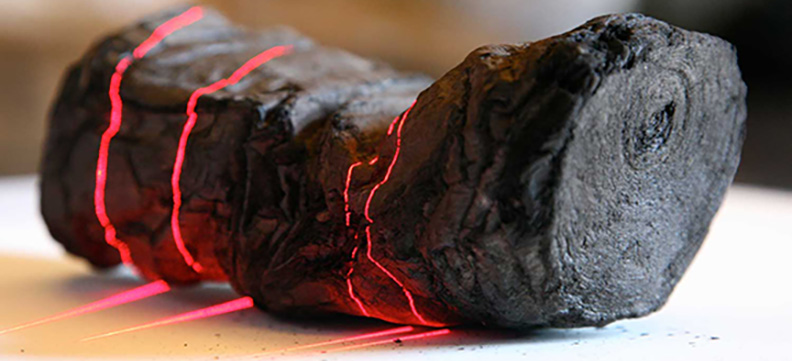
The Herculaneum Papyri are the only collection of books from antiquity that has survived in its entirety. Preserved by the eruption of Vesuvius nearly 2,000 years ago, the books are now carbonized and incredibly delicate, much too fragile for clumsy fingers to handle. The solution: AI. Over the last year or so, AI has virtually “unrolled” some of the scrolls, revealing texts hidden from human eyes since the fateful eruption. Initial scans have already revealed previously unknown texts on pleasure by the Greek Epicurean philosopher Philodemus of Gadara. To grasp the scale of the achievement, there were approximately 1,800 scrolls in the library, and just the first few have already yielded new texts. Imagine what lies waiting in the hundreds of remaining scrolls, now accessible through modern technology.
Just across the bay of Naples from Herculaneum is Pompeii, the more famous victim of Vesuvius. There, researchers in the REPAIR project are using AI to restore artifacts and frescoes. A robot equipped with hyperspectral imaging technology scans and examines thousands of pieces, many of which are weathered beyond recognition, and reassembles them. For a human team, this task would be virtually impossible, given the sheer volume and the condition of the materials. The team noted one additional benefit: that labor-intensive restorations, which provide little scholarly value, can now be completed by machines. The new technology frees up archaeologists to focus their efforts on where it matters most, analysis and interpretation, where their expertise is irreplaceable. By maximizing our human capital, we accelerate the pace of discovery and quicken new development in the field of Classics.
Paradoxical as it may seem, the AI-Classics duo is not only viable but also transformative. AI, a tool of the future, is revealing secrets from the distant past—from scrolls to frescoes to Vesuvius’s other victims. AI has brought hitherto unreachable information back into the light. As AI progresses, so too does our understanding of the ancient world. But do not mistake, the partnership is not a replacement for human scholarship, but rather an elevation of it. AI enables scholars to work more effectively and efficiently, dedicating their time and efforts to areas where human insight is crucial. Far from threatening the field, AI is becoming an invaluable asset to all Classicists. And if this is just the beginning of AI’s contributions to the field, imagine how far AI will bring the world of Classics in the future.